
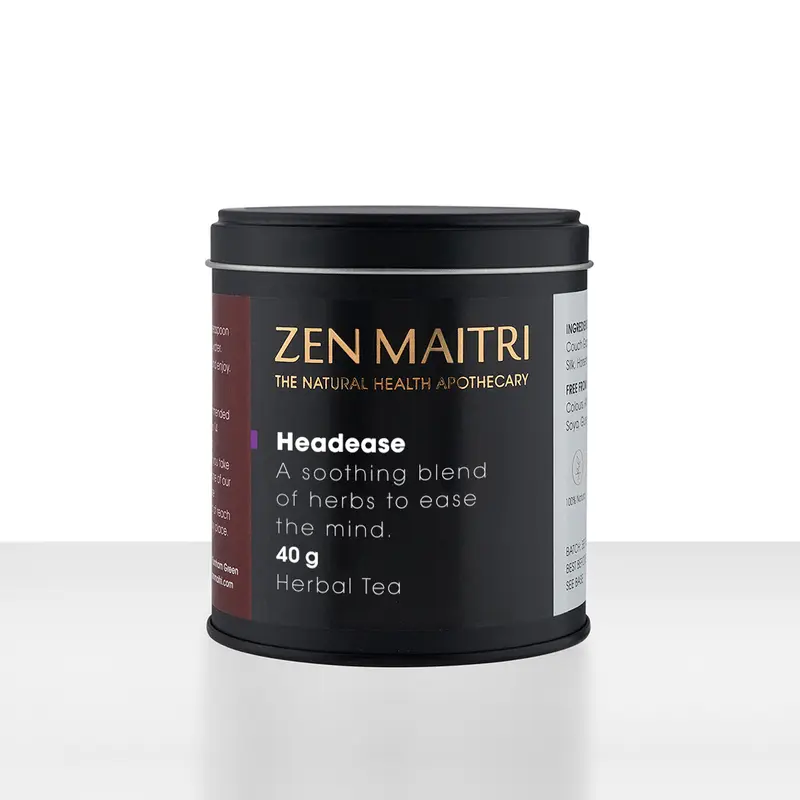

A loose-leaf herbal blend combining wood betony, feverfew, vervain, lemon balm, peppermint and spearmint.
Regulating Head Circulation & Vascular Response Modulation
Normal vascular function and healthy neurovascular regulation contribute to overall head comfort. When blood vessels constrict or expand excessively due to stress or fatigue, it can cause throbbing pressure and localized discomfort in the head, neck and shoulder area. Traditional herbalism uses specific botanicals to support healthy circulation and keep these pathways clear.
Stachys officinalis (Wood Betony) is a classic woodland herb with a long-standing reputation in traditional herbal medicine for its ability to regulate blood flow to the upper body and head. By optimizing circulation to the head, it supports tissue oxygenation, easing tension and calming light headedness or mental fatigue. As a nerve tonic, it strengthens and supports the nervous system, helping to ease the irritability, stress, and anxiety that often trigger physical tension.
Tanacetum parthenium (Feverfew) is highly regarded in traditional herbal practice for its role in supporting individuals prone to recurring, intense head pressure. Its active compounds, particularly sesquiterpene lactones such as parthenolide, are thought to modulate inflammatory and neurovascular pathways implicated in migraine. Feverfew also supports natural liver function, aiding the clearance of metabolic waste products to ease the sluggishness and irritability that can accompany head discomfort.
Calming the Nervous System & Easing Tension Spasms
Tension headaches are often caused by the physical effects of stress, which can lead to muscle spasms in the neck, jaw, and scalp, alongside an overstimulated nervous system.
Verbena officinalis (Vervain) acts as a traditional nervine—a botanical that supports, calms, and nourishes the nervous system. It is especially helpful for easing tension that manifests as physical tightening, digestive upset, or restless sleep. By lowering overall systemic stress, Vervain supports the body to prevent tension from settling into the muscles of the head and neck.
Melissa officinalis (Lemon Balm) provides mild sedative and nervous system balancing action to this blend. Rich in volatile terpenes, it helps ease the mental exhaustion, stress-associated anxiety, and agitation that build up during long periods of discomfort. It also acts as a carminative, soothing stress-related indigestion and nervous tension in the gut.
Cooling Relief, Tissue Relaxation & Clear Airways
Mentha x piperita (Peppermint) and Mentha spicata (Spearmint) introduce an immediate cooling element to the infusion. Peppermint contains high levels of menthol, an active compound shown to support the relaxation of peripheral muscle tissues and blood flow through capillaries. This cooling, antispasmodic action helps ease muscle tightness and soothe localized throbbing. Its crisp aroma acts as a natural decongestant, helping to open up the sinus passages and ease pressure caused by congestion. Spearmint complements these actions with a softer, sweeter flavor, adding a gentle relaxing quality that completes the formula.
Clinical Validation & Scientific Studies
At Zen Maitri, our traditional formulations are continually reviewed alongside modern research to ensure our functional blends meet the highest standards of contemporary wellness. Below are some peer-reviewed clinical studies supporting the traditional applications of the core botanicals found in this blend:
Efficacy in Preventing Cranial Discomfort (Tanacetum parthenium): Clinical reviews demonstrate that regular use of Feverfew may effectively reduce the frequency and severity of intense, episodic head pressure. .
Reference: Wider B, et.al.(2015) Feverfew for preventing migraine. Cochrane Database Syst Rev. 2015 Apr 20;4(4)Vascular Dynamics & Muscle Relaxation (Mentha x piperita): A clinical trial has shown improvements in cognitive performance, highlighting peppermint’s ability to support focus without caffeine, a common trigger for headaches and migraines.
Netzler L, et. al. (2025) Randomized Placebo-Controlled Clinical Trial Exploring the Short-Term Cognitive and Cerebrovascular Effects of Consuming Peppermint Tea: A Mediation Study. Hum Psychopharmacol. 2025 May;40(3)
Reviews
There are no reviews yet.