
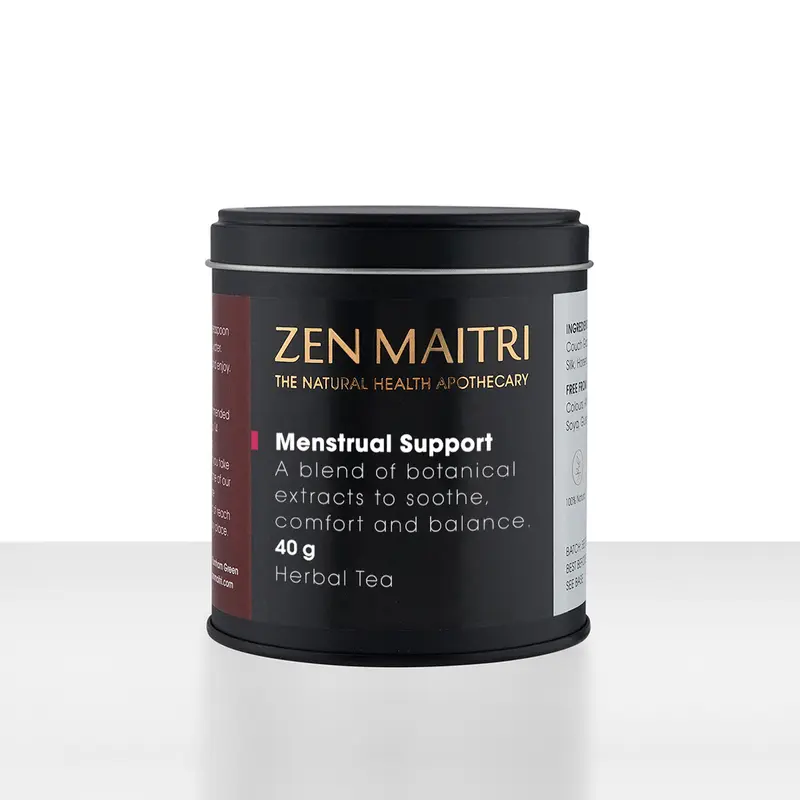

Relaxing Pelvic Spasms & Toning the Uterus
During menstruation, the muscular wall of the uterus contracts to help expel the endometrial lining. In primary dysmenorrhoea, increased production of prostaglandins, particularly prostaglandin F₂α, is associated with stronger and sometimes uncoordinated uterine contractions and vasoconstriction. These changes can temporarily reduce blood flow and oxygen delivery to the uterine muscle, contributing to the characteristic cramping pain of menstruation.
In traditional Western herbal medicine, antispasmodic and uterine-tonic herbs are selected to support comfortable uterine function and ease menstrual cramping.
Viburnum opulus (Cramp Bark) has a long traditional use as a uterine antispasmodic. Experimental studies have demonstrated smooth-muscle-relaxing activity, including effects on uterine tissue, providing some pharmacological support for its traditional use in spasmodic menstrual discomfort.
Rubus idaeus (Raspberry Leaf) is traditionally regarded as a uterine tonic. Laboratory research suggests that Raspberry Leaf preparations can influence uterine smooth-muscle activity, although the effects observed have varied according to the preparation, concentration and experimental conditions. Its traditional use therefore centres on supporting normal uterine tone and function.
Soothing the Nervous System & Managing Emotional Stress
The hormonal and neuroactive-steroid changes that occur during the late luteal phase can influence signalling systems within the brain involved in mood, stress responses, sleep and pain perception. In individuals who are particularly sensitive to these cyclical changes, this may contribute to premenstrual symptoms such as irritability, emotional tension, disturbed sleep and increased sensitivity to discomfort. In traditional Western herbal medicine, calming nervines are used to support the nervous system and help ease nervous tension and emotional restlessness during this phase of the menstrual cycle.
Matricaria chamomilla (Chamomile) is traditionally valued for its calming, antispasmodic and anti-inflammatory properties. Its flowers contain flavonoids such as apigenin, alongside volatile-oil constituents including α-bisabolol and chamazulene. Experimental research suggests that some Chamomile constituents can interact with central signalling pathways associated with relaxation, while clinical studies have reported improvements in premenstrual emotional symptoms. This makes Chamomile particularly appropriate when menstruation is accompanied by irritability, nervous tension or digestive cramping.
Scutellaria lateriflora (American Skullcap) is traditionally used as a calming nervine for states of nervous tension, restlessness and mental agitation. Preliminary human research suggests potential effects on mood, although clinical evidence remains limited and its effects specifically on premenstrual symptoms have not been established.
Zingiber officinale (Ginger) complements these herbs through its traditional warming and digestive actions and has clinical evidence supporting its use in reducing the pain associated with primary dysmenorrhoea.
Urtica dioica (Nettle) provides a naturally mineral-rich botanical component, containing nutrients including magnesium and iron, although it should not be regarded as a substitute for clinically indicated mineral supplementation or treatment of iron deficiency.
Clinical Validation & Scientific Studies
Our formulations blend historical clinical use with modern scientific understanding. Below are key peer-reviewed studies illustrating the properties of the core botanicals in this blend:
Efficacy in Easing Menstrual Discomfort & Cramping (Zingiber officinale): Clinical trials indicate that Ginger is highly effective at reducing the severity and duration of primary menstrual discomfort by managing prostaglandin pathways, matching the performance of standard common options.
Reference: Ozgoli, G., et al. (2009). Comparison of effects of ginger, mefenamic acid, and ibuprofen on pain in patients with primary dysmenorrhea. Journal of Alternative and Complementary Medicine, 15(3), 273-278.
Anxiolytic & Neuroprotective Actions (Scutellaria lateriflora): Human clinical evaluations demonstrate that Skullcap significantly improves mood states and reduces feelings of anxiety and psychological tension without causing drowsiness.
Reference: Wolfson, P., & Hoffmann, D. L. (2003). An investigation into the anxiolytic effects of Scutellaria lateriflora. Phytomedicine, 10(6), 534-539.
Important Disclaimer & Health Notices
While functional herbal infusions offer excellent daily support for menstrual comfort and cyclical balance, they are not intended to replace professional medical treatment for diagnosed gynecological conditions. Please speak with your primary doctor before adding new functional botanicals to your routine if you are currently managing a diagnosed condition such as endometriosis, uterine fibroids, bleeding disorders, or are taking prescription hormonal therapies or blood-thinning medication.
Reviews
There are no reviews yet.