
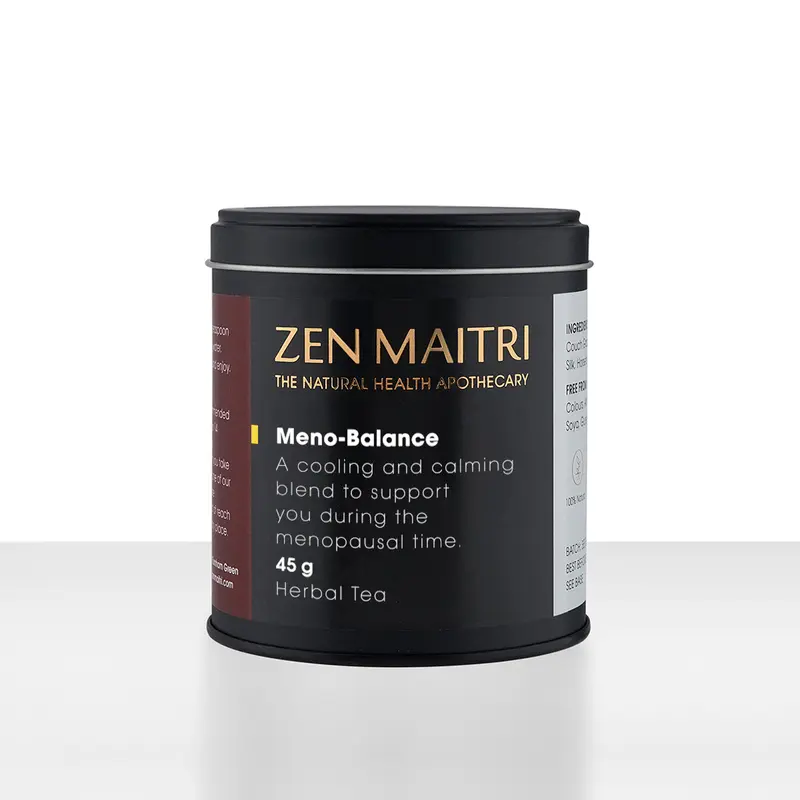

A herbal infusion combining shatavari, hawthorn, motherwort, linden flower and spearmint.
Calming Vasomotor Spikes & Systemic Heat
The sudden sensations of heat known as hot flushes and night sweats are associated with changes in the hypothalamic systems that regulate body temperature. As oestrogen levels fluctuate and decline during the menopause transition, signaling within these thermoregulatory pathways changes, narrowing the body’s thermoneutral zone, the range of core temperatures that does not normally trigger sweating or shivering. As a result, even small changes in body temperature can provoke an exaggerated heat-loss response, including dilation of blood vessels in the skin and sweating, producing the characteristic sensation of a hot flush.
Within traditional herbal medicine, herbs described as cooling, nervine or adaptogenic may be selected to support comfort during this transition and to address associated symptoms such as nervous tension, disturbed sleep and feelings of excessive heat.
Asparagus racemosus (Shatavari) contains a rich profile of steroidal saponins known as shatavarins. Traditionally regarded in Ayurveda as a cooling, moistening and restorative herb with a particular affinity for the female reproductive system, Shatavari is commonly used to support women through periods of hormonal transition. Emerging clinical research using standardised Shatavari root extracts also suggests potential benefits for several perimenopausal symptoms, including hot flushes.
Crataegus monogyna (Hawthorn) and Leonurus cardiaca (Motherwort) provide complementary cardiovascular and nervous system support. Hawthorn has a long history of traditional use as a cardiovascular tonic herb and contains flavonoids and procyanidins associated with effects on vascular and cardiac function. Motherwort has traditionally been used for nervous tension and nervous cardiac sensations such as noticeable or racing heartbeats. Together, these herbs provide support to ease feelings of nervous tension, heightened cardiovascular awareness and occasional palpitations that can accompany the menopausal transition.
Supporting Musculoskeletal Integrity & Nervous System Ease
Change in oestrogen and other hormonal signaling during the menopausal transition can influence the musculoskeletal system and the way pain is perceived. Joint stiffness, muscular aches and general musculoskeletal discomfort are commonly reported during perimenopause and menopause, although the underlying mechanisms are complex and may involve changes in connective tissue, inflammatory signaling and pain sensitivity. Hormonal fluctuations can also contribute to changes in sleep, energy and headache susceptibility.
Tilia europaea (Linden Flower) contains flavonoids and aromatic constituents and has a long history of traditional use as a gentle nervine. Traditionally used to ease mild nervous tension, Linden may be particularly appropriate where menopausal symptoms are accompanied by restlessness, muscular tension or difficulty winding down.
Crataegus monogyna (Hawthorn) contributes polyphenolic compounds, including flavonoids and procyanidins, and is traditionally valued for its supportive effects on cardiovascular function. Rather than acting directly on joint cartilage, its role within this formulation is better described as providing complementary cardiovascular and antioxidant support.
Mentha spicata (Spearmint) provides a refreshing aromatic component and has traditionally been used to support comfortable digestion. Its volatile oils and polyphenolic compounds complement the blend where digestive discomfort or feelings of heaviness accompany periods of hormonal change.
Important Disclaimer & Health Notices
While functional herbal infusions offer excellent daily support for menopausal comfort, temperature regulation, and nervous system ease, they are not intended to replace professional medical treatment for chronic conditions. Please talk to your doctor or a healthcare professional before introducing new functional botanicals to your daily routine if you are currently prescribed Hormone Replacement Therapy (HRT), blood pressure medications, cardiac glycosides (like digoxin), or blood-thinning therapies.
Reviews
There are no reviews yet.